
EVERYTHING IS GENDERED Seabirds and Women in Fisheries: A Connection Through a Climate in Crisis
Welcome to the next installment of our blog series, Everything is Gendered. The gender dimension of the ongoing environmental sustainability and social responsibility work to improve global fisheries and aquaculture operations is often not considered, misunderstood, or even ignored. Throughout this series, we examine the gender implications of challenges inherent in sustainable seafood production, from IUU fishing to marine protected areas to forced labor and make these links clear with an aim towards providing evidence that embedding gender considerations in everything we do to support the sustainability of fisheries and aquaculture is critical.
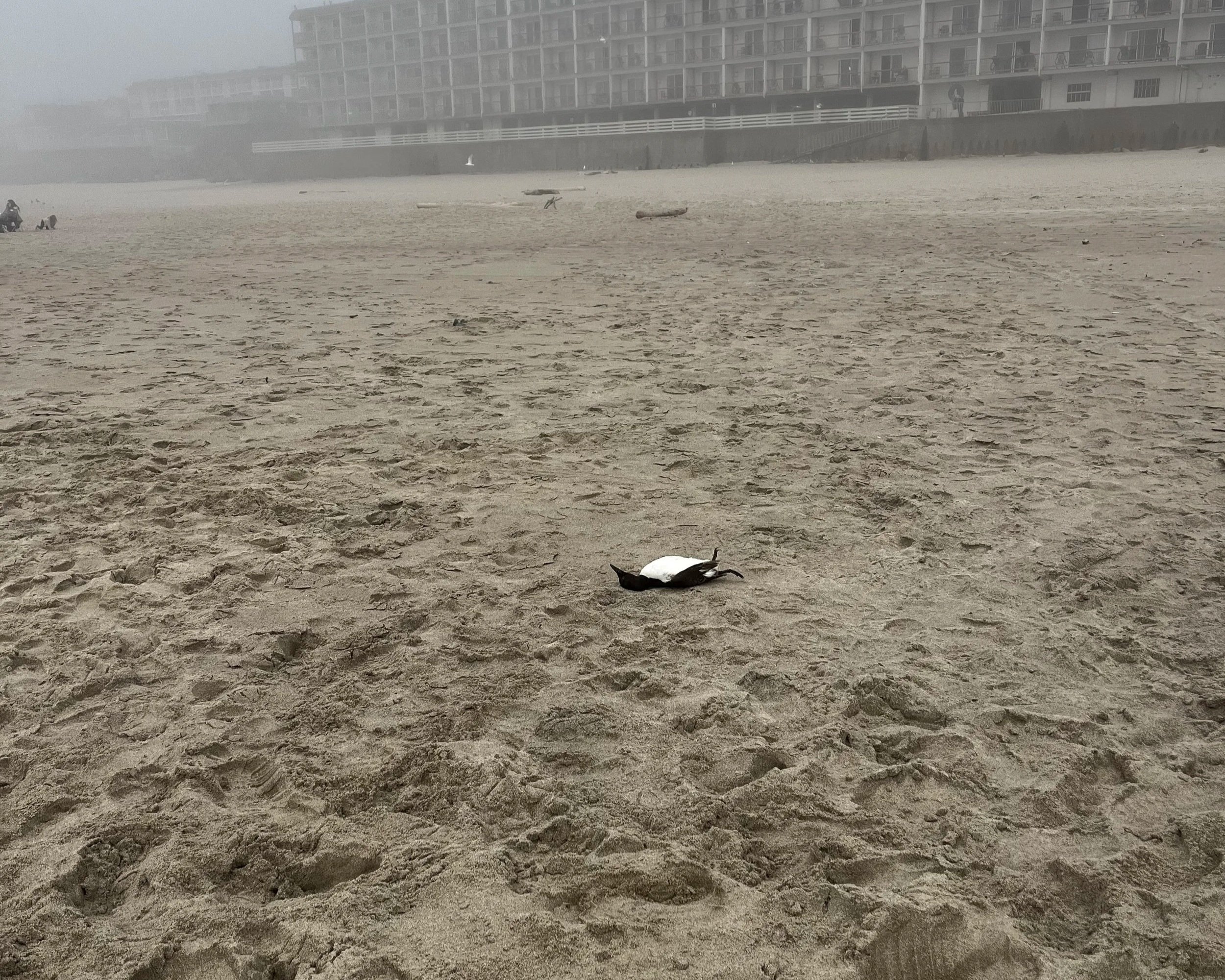
Every day, I take a walk at my local beach, so I always notice when something is different. Recently, I counted approximately 100 seabirds strewn across the beach—all motionless. The black and white birds, common murres, lay stiff on the sand. Later, I would learn that state biologists found no evidence of disease, injury, or oil as a cause of death. Just starvation. The birds simply couldn’t find enough fish, their main source of food.
Struggling seabirds on the Pacific coast hold something in common with women doing critical fisheries work around the world: they both face disappearing resources because climate change has destabilized our oceans.
As a species of diving seabirds, common murres spend time near the shore during the spring and summer, where they rear their young before heading out to the open ocean in the fall. They need a steady supply of small forage fish—anchovies, sardines, herring—to fuel their bodies, which burn energy fast and store very little fat. Unprecedented marine heatwaves that warm huge swaths of the northwest Pacific threaten their food source, altering the food web. These warmer waters better support lower-calorie plankton over the richer plankton that the forage fish depend on, while simultaneously raising the metabolic demands of the fish themselves. The forage fish now need more calories, but have access to fewer calories, and there’s even greater competition amongst larger predatory fish who want the same shrinking food supply. Essentially, the forage fish become scarcer and less nutritious when the murres need them the most.
The murre is a useful lens for examining how climate change is impacting our shorelines because the bird’s vulnerability is so visible and immediate. A seabird has no savings account, no alternate food source, and no way to negotiate for a bigger share when the supply shrinks. When the base of the food web shifts, the outward ripple effect hits the animal—or person—with the least buffer the fastest.
Around 500 million people depend on small-scale fisheries (SSF) for all or part of their income and survival, and women make up roughly 40% of the workforce in small-scale fisheries globally, driving nearshore food security and local economies.
Their work tends to cluster in the parts of the industry that are least visible and least protected: processing, drying and smoking fish, trading, and near-shore harvesting. Much of this work is informal, undocumented, and outside the reach of insurance, credit, or labor protections that might otherwise cushion a bad year.
In short, women who fish depend on the bounty in the same nearshore waters as the murres, who are dying of starvation in significant numbers due to warming waters.
What does this mean for women in fisheries?
Research on gender and climate vulnerability in fisheries from coastal West Africa to Southeast Asia describes a consistent, alarming dynamic: warming waters, shifting fish populations, and more frequent extreme weather conditions squeeze the same resource base that murres depend on, and the women—whose work sits closest to that resource—absorb the shock first and have the least formal power to adapt to changing ocean conditions. Women are frequently excluded from the fisheries governance and climate-adaptation decisions that determine how communities respond, even though they're often the ones holding the ecological knowledge and community networks that adaptation depends on.
Neither the murre nor women in fisheries cause marine heatwaves or the warming trend behind them. Both are positioned downstream of a system they don't control, and both are the first and most significantly affected when that system falters and fails.
All of this means that we need to be asking these questions: “When the ocean changes, who is going to be the first to be hit because they don’t have a buffer? And how do we both combat climate change and support them in surviving the shifts happening now?”
Whether you’re a seabird or a person whose economic survival depends on the same supply of shrinking fish, those answers matter immensely.