EVERYTHING IS GENDERED: MARINE PROTECTED AREAS
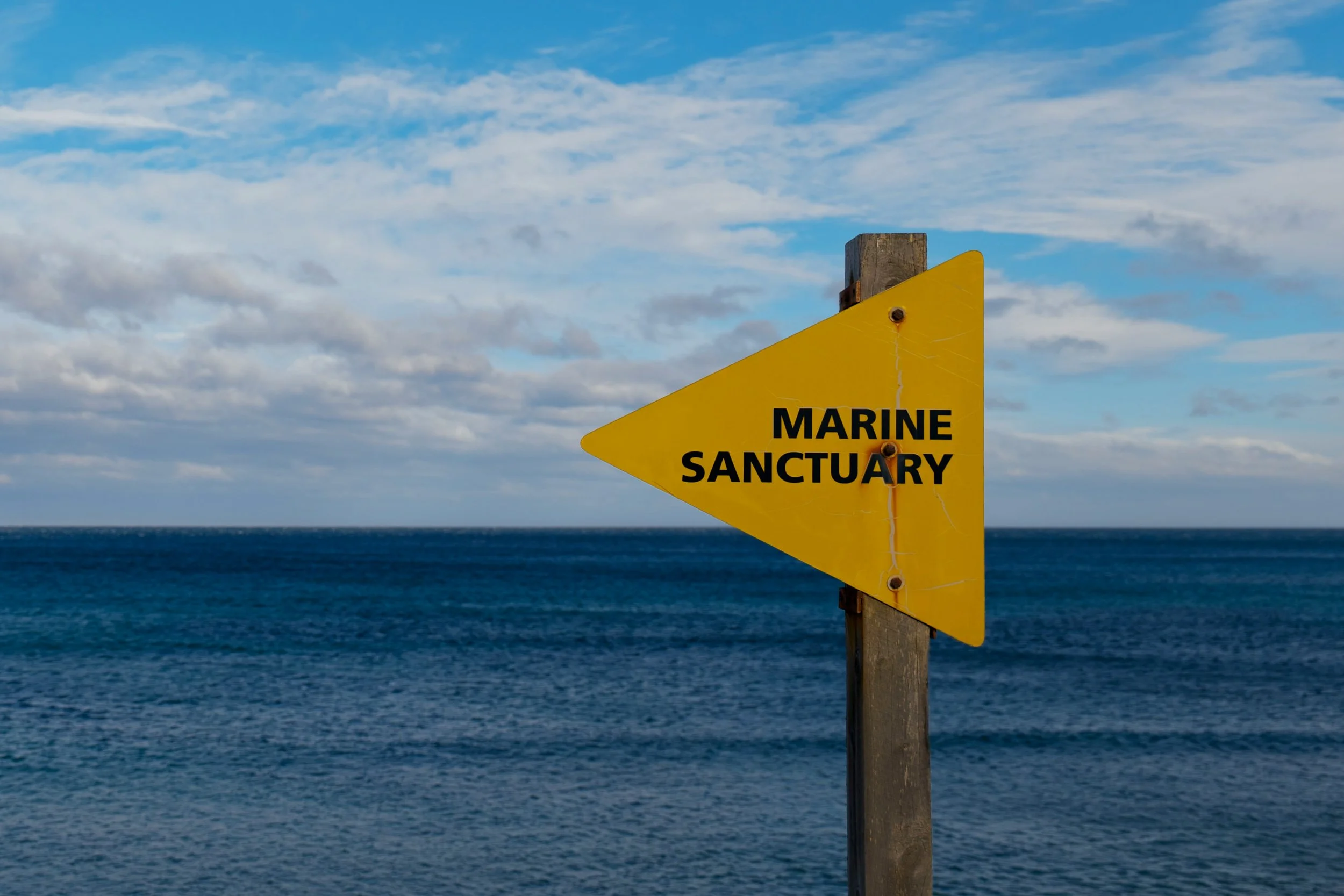
Photo by Oliver Herrmann
Welcome to the first installment of our new blog series, Everything is Gendered. The gender dimension of the ongoing environmental sustainability and social responsibility work to improve global fisheries and aquaculture operations is often not considered, misunderstood, or even ignored. Throughout this series, we will examine the gender implications of challenges inherent in sustainable seafood production, from IUU fishing to marine protected areas to forced labor.
This blog series will make these links clear with an aim towards providing evidence that embedding gender considerations in everything we do to support the sustainability of fisheries and aquaculture is critical.
Today is World Ocean Day, and the World Ocean Day Organization has designated a multi-year, action theme as "Strong Marine Protected Areas for Our Blue Planet," emphasizing that by conserving global waters, we can support biodiversity and address challenges associated with a changing climate.
While roughly 8% of the global ocean has some Marine Protected Area (MPA) designation currently, only a small fraction is highly or fully protected, and there is a global effort to effectively protect and conserve at least 30% of the world's oceans by 2030. The "30x30" initiative faces significant criticism for prioritizing arbitrary numbers over practical implementation, and critics argue that many designated MPAs are just "lines on a map" that lack enforcement, allow harmful activities, or disproportionately displace traditional and Indigenous fishers.
So let’s start off this series with an examination of how Marine Protected Areas (MPAs) are gendered.
How are MPAs gendered?
Historically, MPAs have often been "gender-blind," failing to account for how people of different genders use the ocean differently. MPA planning and management typically focuses on deep-water areas where men fish commercially from boats, whereas women are often more active in coastal, intertidal, and shoreline ecosystems.
Women are essential ocean stakeholders, yet they are historically marginalized in decision-making, despite often depending on nearshore and intertidal ecosystems. According to Anna Lavoie, a former NOAA Fisheries scientist, “Women own more than 30% of commercial set net permits [in Bristol Bay] and, in Alaska, women are very proactive in promoting conservation and sustainability. There should be avenues for incorporating women’s knowledge into resource management. They are actively engaged in fisheries, but there is very little information available about their experience and contributions.”
When women are included in spatial planning, they often place higher value on onshore areas, community spaces, and safe zones for their children, offering a distinct and vital perspective on conservation.
For MPA development and management, SAGE urges a gender transformative approach, which actively challenges unequal power relations and discriminatory norms to ensure equitable benefits for all.
What are gender transformative MPAs?
Gender transformative MPAs are distinct in that they:
Challenge power dynamics and actively address and dismantle systemic inequalities, ensuring historically excluded people have equal leadership and decision-making roles in resource management
Integrate gendered knowledge and recognize that women possess unique, specialized knowledge of coastal and intertidal ecosystems (e.g., gleaning), which is vital for holistic conservation
Provide equitable economic benefits, including alternative livelihood programs and financial empowerment strategies to ensure the financial burdens of conservation (like restricted fishing areas) do not disproportionately affect women
Do Gender Transformative MPAs exist?
Yes, gender transformative MPAs exist and are recognized as a critical evolution in marine conservation. Globally, several initiatives showcase this approach:
Barangay Decabobo, Philippines: Women fisherfolk have taken the lead in establishing one of the area's first woman-led marine protection initiatives. The Women Fisherfolk Leadership Corps has emerged as a model for actively involving women in community monitoring and sustainable resource use.
Greater Cape Three Points Area, Ghana: In planning the country's first marine protected area, organizations have integrated gender-based violence (GBV) prevention and economic empowerment into the governance of the MPA to secure safe and inclusive fisheries.
Gokova Bay, Turkey: The Fisherwomen Society works to shift ingrained traditional gender roles in the fisheries industry, elevating women into prominent marine stewardship and leadership roles in previously male-dominated cooperatives.
Tools to support the integration of gender in the development and management of MPAs exist, and a comprehensive gender transformative approach is critical for both fair conservation outcomes and ecological success.